
7 Freeze Alert Sensor Mistakes Property Managers Make (And How to Fix Them)
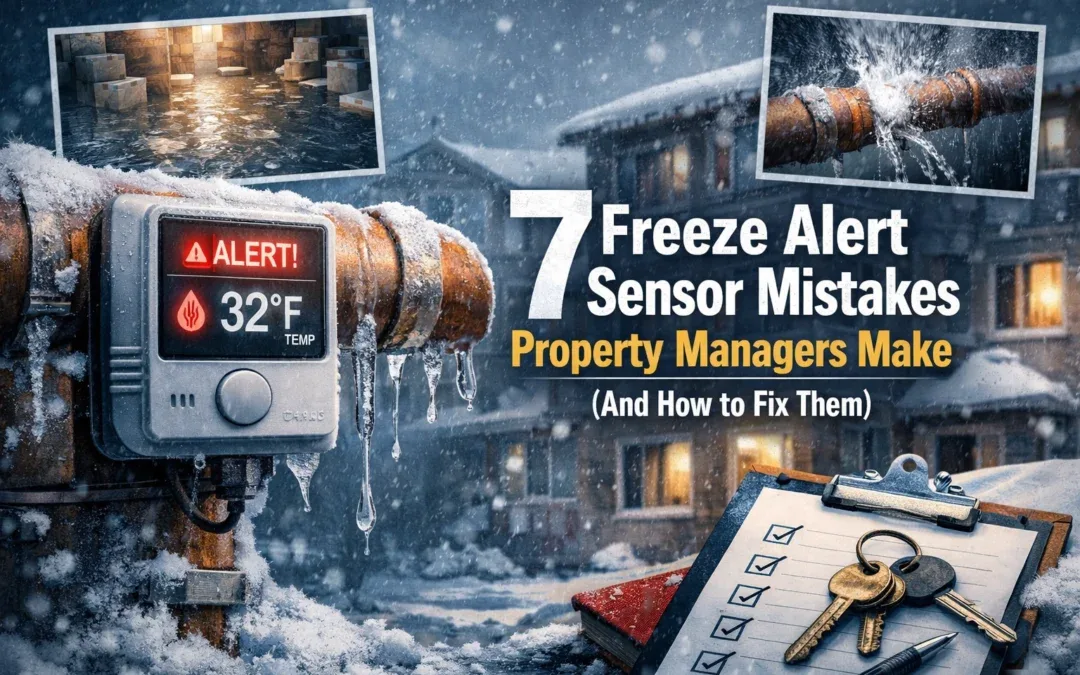
Frozen pipes don't send a warning letter. They burst. And when they do, you're looking at flooded units, furious tenants, and insurance claims that make your head spin.
Frozen pipes don't send a warning letter. They burst. And when they do, you're looking at flooded units, furious tenants, and insurance claims that make your head spin.
The frustrating part? Most freeze damage is completely preventable.
Freeze alert sensors are your first line of defense against cold-weather catastrophes. But here's the catch: they only work if you use them correctly. Too many property managers invest in freeze detection technology, then undermine their own protection with avoidable mistakes.
Let's fix that. Here are seven freeze alert sensor mistakes we see all the time: and exactly how to avoid them.
Mistake #1: Installing Sensors in the Wrong Location
This one's a classic. You buy quality freeze sensors, install them yourself on a Saturday afternoon, and assume you're covered.
Then temperatures plummet. Your pipes freeze in a mechanical room you didn't even think about. The sensor in your main hallway? Perfectly warm. Completely useless.
The problem: Freeze damage doesn't happen where you'd expect. It strikes in concealed spaces: behind walls, in attics, near exterior doors, in unheated crawl spaces. Installing sensors only in obvious locations leaves your most vulnerable areas completely unprotected.
The fix: Map your building's cold spots before installation. Think about where pipes run near exterior walls. Consider upper floors where heat rises away from plumbing. Don't forget mechanical rooms, parking garages, and any space with minimal insulation.
Better yet, work with professionals who understand building vulnerabilities. They'll identify high-risk zones you'd never consider. Professional installation isn't an upsell: it's the difference between real protection and expensive false confidence.
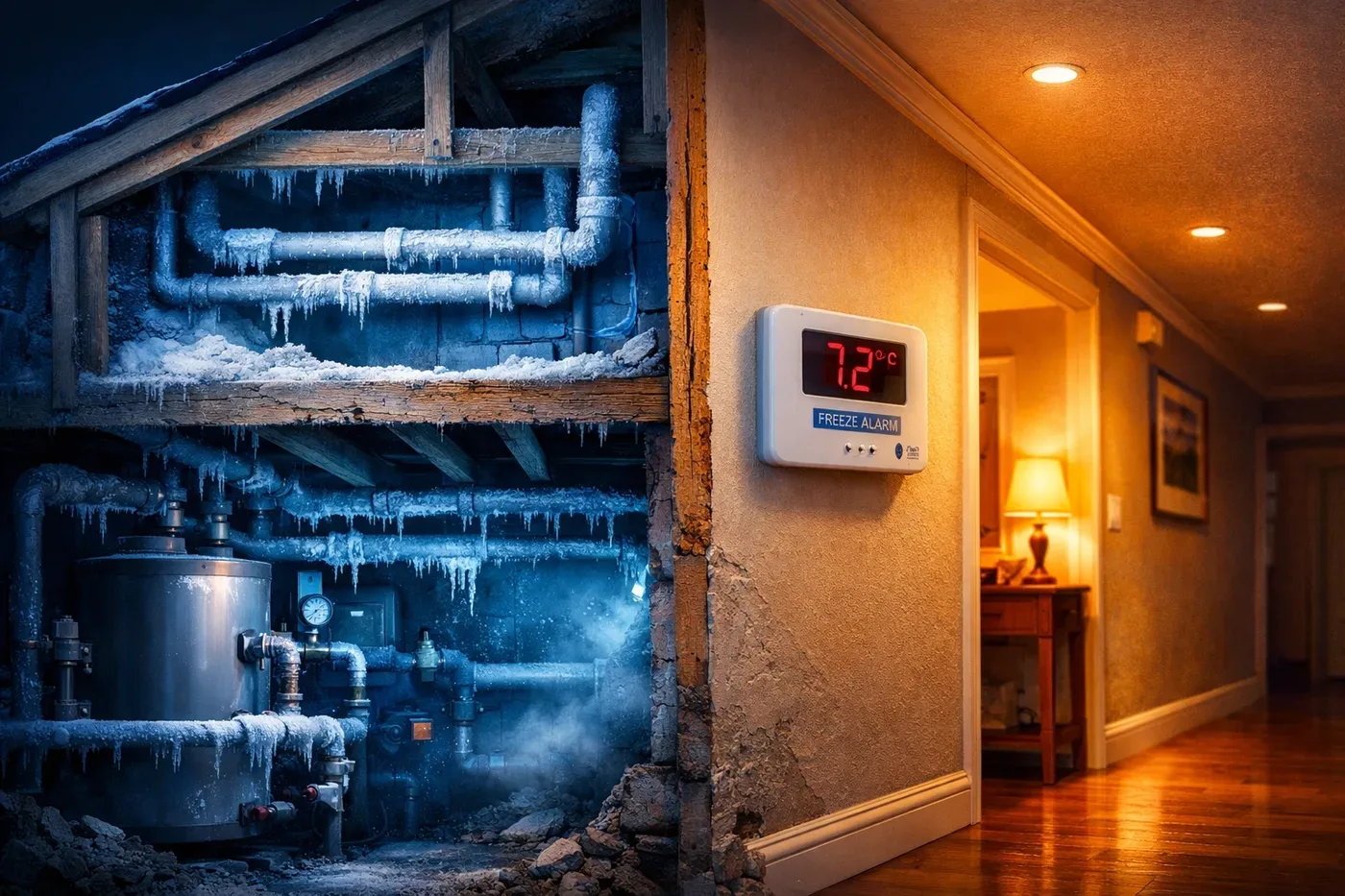
Mistake #2: Waiting for 0°C Alerts
Here's a harsh truth: by the time temperatures hit freezing, damage is already underway.
Many property managers set their freeze alerts at 0°C. Logical, right? Freezing happens at zero.
Wrong approach.
The problem: Pipes don't freeze instantly at 0°C. But they become vulnerable well before that point. Once ambient temperature drops, it takes time for warnings to reach you, for you to respond, and for corrective action to take effect. By then? Too late.
The fix: Pinpoint freeze detection with warnings at 5°C gives you the buffer you actually need. That extra five degrees is your response window: time to check heating systems, dispatch maintenance, or activate backup measures before ice forms.
Think of it like a check engine light. You don't want it flashing when your engine's already smoking. You want advance notice while you can still do something about it.
Mistake #3: Ignoring Sensor Obstructions
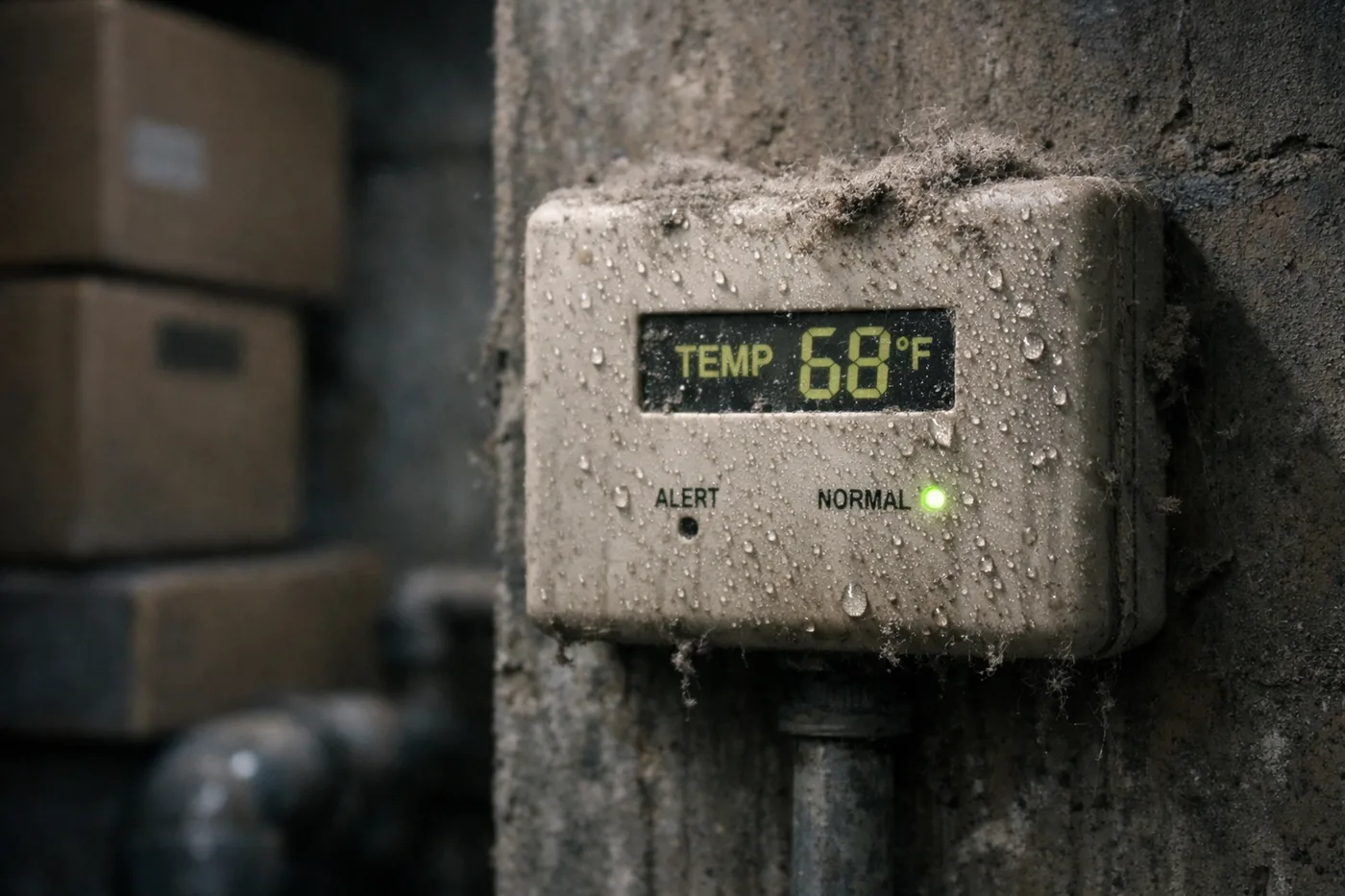
Sensors can't detect what they can't sense. Sounds obvious. Yet property managers routinely let debris, dust, ice, and condensation block their freeze detection equipment.
The problem: Over time, sensors get buried behind storage boxes. Snow piles up around exterior units. Condensation fogs temperature readers. Your system shows "all clear" while actual conditions tell a different story.
The fix: Schedule monthly sensor inspections during freeze season. Clear any obstructions. Check that protective covers are intact but not blocking airflow. Add sensor checks to your regular maintenance rounds: it takes five minutes and prevents five-figure disasters.
Mistake #4: Skipping Vacant Units
Occupied units have something vacant ones don't: people. People who notice when it's cold. People who complain when heating fails. People who call you before pipes burst.
Vacant units? Silent. Until they're flooding the unit below.
The problem: Empty apartments, unrented commercial spaces, and seasonal properties lack the human early-warning system you unconsciously rely on. They also lack activity-generated heat. That makes them prime freeze damage targets: and the last places property managers think to monitor.
The fix: Treat vacant units as high-priority zones, not afterthoughts. Install freeze sensors in every unoccupied space. Set alerts at that 5°C threshold. Check heating systems weekly during cold snaps.
Vacant doesn't mean low-risk. It means higher risk with zero occupant oversight. Protect accordingly.
Mistake #5: No Backup Plan for Heating Failures
Your building has heat. Great. What happens when it fails at 2 AM during a cold snap?
Single-point heating reliance is one of the most dangerous assumptions in property management. Boilers break. Furnaces fail. Power outages happen. If your freeze protection strategy is "hope the heat stays on," you're gambling with other people's property.
The problem: One heating system failure can cascade into building-wide freeze damage within hours. Without backup heating or immediate alerts, you won't know there's a problem until residents wake up to ice in their toilet bowls.
The fix: Implement redundancy. That means backup heating sources for critical areas, battery-powered freeze sensors that work during outages, and instant alerts when temperatures drop unexpectedly.
Your freeze alert system should notify you the moment heating effectiveness declines: not after pipes have already frozen. Integrated temperature monitoring gives you real-time visibility into every zone, so heating failures trigger your response, not your insurance adjuster.

Mistake #6: Set-It-and-Forget-It Mentality
You installed freeze sensors three years ago. They worked that first winter. You assume they're still working now.
Dangerous assumption.
The problem: Sensors drift. Batteries die. Connections fail. Calibrations shift. That system you installed and forgot about? It might be giving you false confidence while actual protection has degraded to nothing.
The fix: Test your freeze alert system monthly during cold season. Verify that sensors trigger alerts at the correct temperature. Check battery levels. Confirm that notifications actually reach the right people.
Create a testing calendar. Assign responsibility. Document results. The fifteen minutes you spend testing beats the fifteen thousand you'll spend on water damage restoration.
Additionally, test your response plan: not just your equipment. When an alert fires at 3 AM, does everyone know their role? Practice before you need it.
Mistake #7: DIY Installation Without Understanding Building Systems
YouTube makes everything look easy. Install freeze sensors? How hard could it be?
Harder than you think. And the consequences of getting it wrong are expensive.
The problem: Effective freeze protection requires understanding how your specific building works. Where do pipes run? Which areas lose heat fastest? How do HVAC zones interact? What's the response time for your maintenance team?
DIY installation without this knowledge leads to sensors in wrong locations, improper alert thresholds, and gaps in coverage that only reveal themselves during emergencies.
The fix: Invest in professional installation. Experienced technicians assess your building's unique vulnerabilities. They understand pipe routing, thermal dynamics, and the integration between freeze sensors and your broader water leak detection system.
Professional installation also means professional configuration: proper alert thresholds, correct notification chains, and system integration that actually works when temperatures drop.
Think of it this way: you wouldn't DIY your fire suppression system. Freeze protection deserves the same respect.

The Real Cost of These Mistakes
Let's talk numbers. A single frozen pipe burst can cause $10,000 to $50,000 in damage: per incident. Add business interruption, tenant displacement, and insurance premium increases, and you're looking at costs that dwarf any investment in proper freeze protection.
Moreover, insurance companies increasingly scrutinize freeze damage claims. Properties without documented prevention measures face higher premiums, larger deductibles, and claim denials. Understanding how leak detection affects your coverage isn't optional anymore: it's essential risk management.
Every mistake on this list is fixable. Every fix costs a fraction of the damage it prevents.
Your Next Step
Here's the bottom line: freeze alert sensors work: when implemented correctly.
That means proper placement in vulnerable zones. Pinpoint detection with 5°C warning thresholds. Regular testing and maintenance. Professional installation that accounts for your building's specific needs.
Don't wait for frozen pipes to reveal the gaps in your protection. Review your current freeze detection setup against this list. Identify where you're making these mistakes. Fix them before the next cold snap.
Your tenants are counting on you. Your budget is counting on you. And your peace of mind depends on getting this right.
Ready to protect your property properly? Connect with Leak Logic Canada and let's make sure your freeze protection actually protects.
Don't wait for a leak to happen.
Protect your property with a professionally installed NOWA automatic shut-off system. Contact us for a free assessment.