
7 Mistakes You’re Making with Water Leak Sensors for Apartments: Starting with Ignoring Remote Monitoring
If you’re a property manager or sit on a strata council in Vancouver, you already know the "Water Damage Walk of Shame." It’s that feeling you get when you see a restoration truck parked outside your building at 3:00 AM,…
If you’re a property manager or sit on a strata council in Vancouver, you already know the "Water Damage Walk of Shame." It’s that feeling you get when you see a restoration truck parked outside your building at 3:00 AM, knowing that a $500 plumbing issue has just mutated into a $50,000 insurance claim.
I’m Randall, and here at Leak Logic Canada, we live and breathe the tech that stops those nightmares. But here’s the thing: just "having sensors" isn't enough. In fact, many multi-unit buildings in the Lower Mainland are walking around with a false sense of security because their leak detection strategy is, frankly, full of holes.
Whether you’re managing a high-rise in Coal Harbour or an older low-rise in the West End, here are the seven critical mistakes we see property managers making with water leak sensors for apartments: and how to fix them before the next pipe bursts.
1. Ignoring Remote Monitoring (The "Tree Falling in the Forest" Problem)
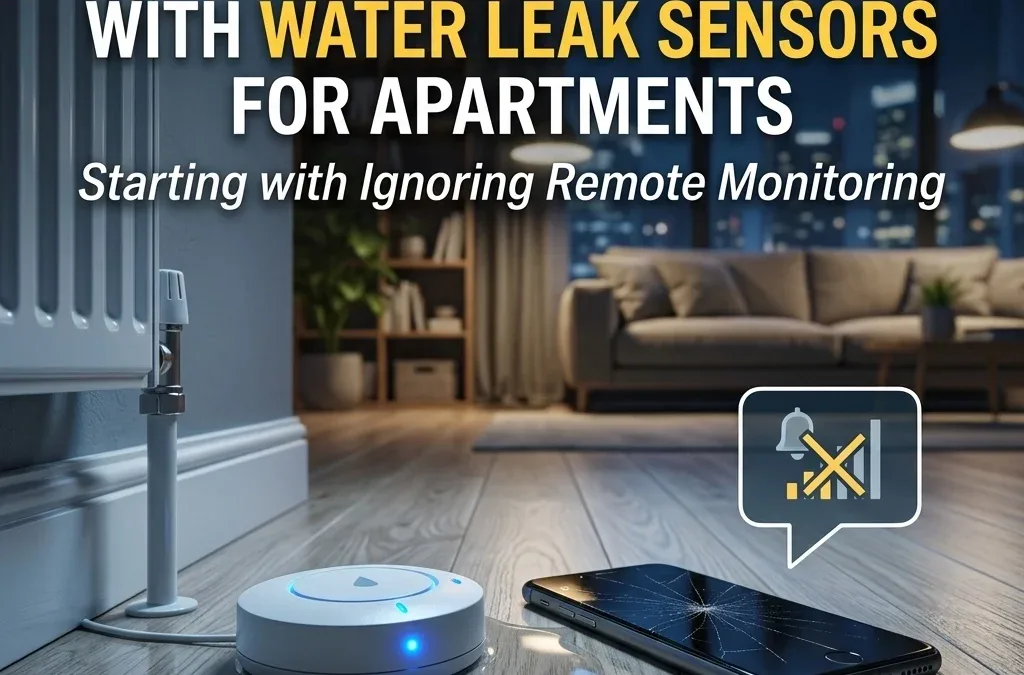
The biggest mistake? Installing sensors that only beep locally. Imagine a sensor under a dishwasher in Unit 402. It detects a leak while the resident is away on vacation in Mexico. The sensor chirps its heart out, but nobody hears it until the resident in Unit 302 notices water dripping through their light fixtures.
In a commercial or multi-unit setting, if a sensor isn't part of a commercial leak detection system with 24/7 remote monitoring, it’s basically just a paperweight. You need a system that sends an immediate notification to the property manager, the strata president, and our monitoring center the second moisture is detected.
Moreover, you need to consider how those alerts are sent. Relying on a tenant’s home Wi-Fi is a recipe for disaster. If they change their password or the router hangs, your protection vanishes. Our Nowa systems use independent LTE connectivity, ensuring that the alert goes out even if the building’s internet is down.

2. Settling for Low-Sensitivity Probes
Not all sensors are created equal. Many off-the-shelf "smart home" sensors require a literal puddle to form before they trigger. By the time half an inch of water has accumulated, it’s already seeped under the baseboards and into the subfloor.
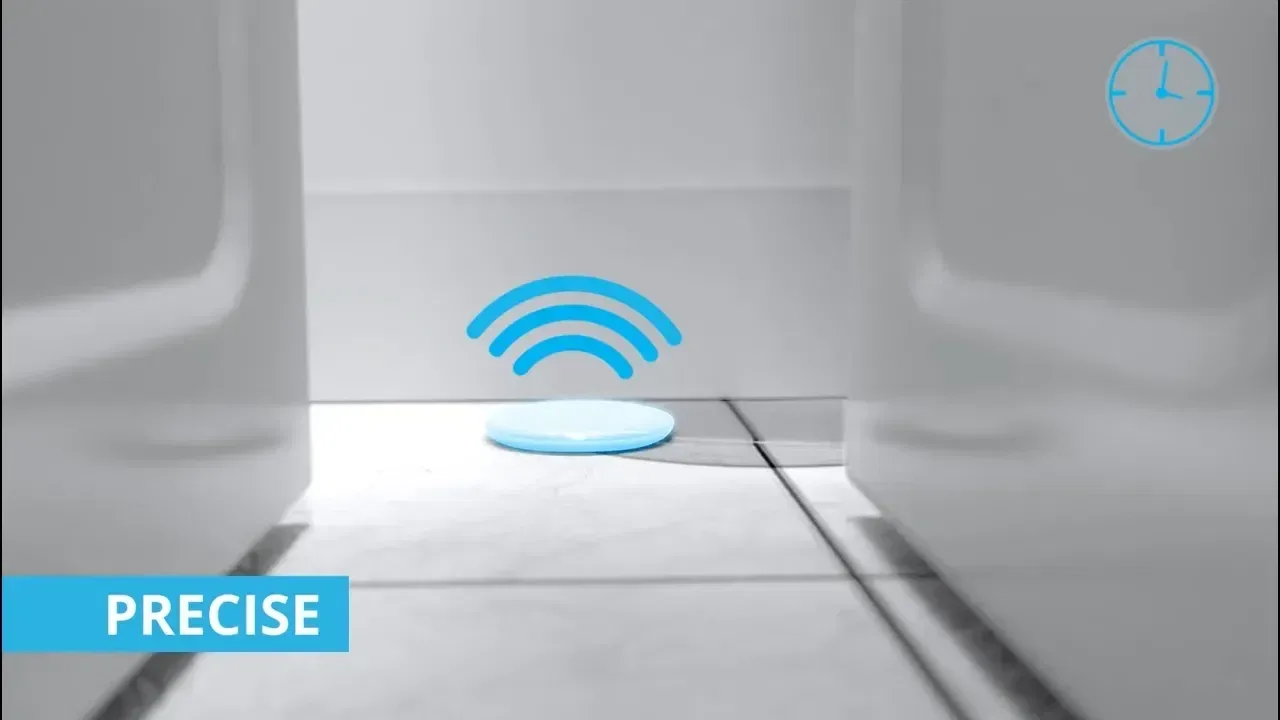
A professional-grade condo water leak detection strategy requires extreme sensitivity. Our sensors trigger at just 0.015 inches of water. That is less than the thickness of a credit card. Catching a leak at the "drip" stage instead of the "flood" stage is the difference between a quick mop-up and a six-month restoration project.
3. Using Sensors That Oxidize and Fail
This is the "silent killer" of leak detection. Most cheap sensors use copper or basic metal probes. Over time, humidity in a bathroom or laundry room causes these probes to oxidize (essentially, they rust). Once they are covered in a layer of oxidation, they lose their ability to conduct electricity and fail to detect water when a leak actually happens.
At Leak Logic Canada, we insist on gold-plated sensor probes. Gold doesn’t oxidize. Whether that sensor sits under a water heater for six months or six years, it will be just as responsive on day 2,000 as it was on day one. This kind of reliability is what keeps insurance adjusters happy and premiums manageable.
4. Forgetting the "Freeze Alert" Factor
Vancouver might not be the Arctic, but we get those nasty cold snaps that wreak havoc on pipes, especially in parkades or near exterior-facing walls in older buildings. A standard leak sensor tells you when there is water; a freeze alert sensor tells you when there is about to be ice.
Our systems include a 5°C freeze alert. If the temperature near a pipe drops to that critical threshold, the system triggers an alarm. This allows property managers to intervene: perhaps by turning up the heat or insulating the pipe: before the water freezes, expands, and shatters the copper. It’s about being proactive rather than reactive.
Check out our post on freeze sensor innovations for more on this.

5. Detecting the Leak but Not Stopping the Water
This is the mistake that breaks my heart the most. A property manager gets an alert on their phone at dinner. They see there’s a leak in a mechanical room. They rush to the building, find the keys, get into the room… and by then, 200 gallons of water have already escaped.
A notification is great, but a water shut off valve with leak detection is the real MVP. When our sensors detect water, they don't just send a text; they tell the master valve to close instantly. The water is killed at the source in seconds, long before you’ve even had a chance to check your phone. For multi-unit buildings, this is the only way to truly guarantee asset protection.
6. Poor Sensor Placement (Thinking Water Only Pools)
Many people think you just toss a sensor in the middle of the floor and call it a day. But water is sneaky. It follows gravity and surface tension. If a pipe is leaking behind a vanity, the water might run along the wall rather than pooling where you expect it.
Strategic placement is everything. You need sensors:
- Under every washing machine and dishwasher.
- Behind toilets (the #1 source of slow, silent leaks).
- Under kitchen sinks (near the filtration systems or garburators).
- Inside mechanical closets and near water heaters.
Imagine a high-rise with 100 units. If each unit has four sensors, that’s 400 points of protection. It sounds like a lot, but compared to the $250,000 deductible some Vancouver stratas are facing today, it’s a drop in the bucket.
7. Leaving Insurance Incentives on the Table
Finally, the biggest financial mistake is failing to involve your insurance provider. The Vancouver real estate market is currently grappling with skyrocketing insurance premiums and astronomical deductibles for water damage.
Many major Canadian insurers: like Northbridge, Aviva, and Intact: actually want you to install these systems. In many cases, they will offer premium reductions or even cover the cost of the system because they know a building with a commercial leak detection system is a much lower risk. If you are installing a system and haven't called your broker to ask for a discount, you’re essentially throwing money away.
Learn more about how these systems can save you on insurance premiums.

Is Your Vancouver Building Truly Protected?
Managing a property in the Lower Mainland is stressful enough without worrying about the pipes. Between aging infrastructure and the high cost of construction, a single major leak can blow your budget for the entire year.
At Leak Logic Canada, we don’t just sell sensors; we provide a shield for your assets. Our Nowa technology is designed specifically for the rigors of multi-unit residential and commercial environments. We’re talking about 10-year battery lives, LTE connectivity that doesn't rely on tenant Wi-Fi, and a monitoring service that has your back 24/7.
Do you have questions about how to retrofit your building?
Whether you’re in Vancouver, Burnaby, Richmond, or anywhere in the BC Lower Mainland, we are your local experts in water damage prevention. Don't wait for the next restoration truck to show up at your front door.
Call Leak Logic Canada today for more information or a custom quote for your property.
We'll help you navigate the technical USPs: from gold-plated probes to automatic shut-off valves: so you can finally get a good night's sleep.

Natural-Language Q&A for Vancouver Property Managers
Q: Why can't I just use cheap sensors from a big-box store?
A: Those sensors are designed for single-family homes and often lack the reliability, LTE connectivity, and 0.015-inch sensitivity required for high-density Vancouver condos. Plus, they rarely offer the centralized monitoring that strata councils need for insurance compliance.
Q: Will a leak detection system lower my strata insurance deductible?
A: While every policy is different, many Vancouver stratas have seen their deductibles held steady or reduced after installing a professional-grade system like Nowa. Insurers recognize that automatic shut-off valves drastically reduce the "severity" of a claim.
Q: How long do the batteries last in these sensors?
A: Our Nowa sensors feature a 10-year battery life, and the system performs daily self-tests to ensure everything is online and ready to protect your building.
Contact Leak Logic Canada today and let’s get your building protected!
Don't wait for a leak to happen.
Protect your property with a professionally installed NOWA automatic shut-off system. Contact us for a free assessment.