
High-Rise Water Leak Detection Secrets Revealed: How One Vancouver Building Stopped 14 Leaks in 60 Days
In the heart of downtown Vancouver, a 30-storey luxury tower was facing what many strata councils call "the insurance cliff." After a series of minor but frequent floods, their deductibles were skyrocketing, and their pr…

In the heart of downtown Vancouver, a 30-storey luxury tower was facing what many strata councils call "the insurance cliff." After a series of minor but frequent floods, their deductibles were skyrocketing, and their premium renewal was looking grim. They were one major incident away from becoming uninsurable.
Fast forward two months: that same building detected and stopped 14 separate leaks in just 60 days. There were zero flooded suites, zero insurance claims, and zero emergency restoration crews parked out front.
The building didn’t get lucky. They stopped playing defense and started playing offense. By implementing a systematic high rise water leak detection strategy, they turned a massive liability into a managed, predictable risk. If you are a property manager or sit on a strata council in the Lower Mainland, this playbook is for you.
The Wake-Up Call: Why "Wait and See" is a Failed Strategy
For years, the standard operating procedure for many Vancouver buildings has been reactive. You wait for a resident on the 12th floor to notice a damp spot on their ceiling, then you call the plumber. By then, the water has already traveled through the floor slab, into the electrical closet, and down two more levels.
The turning point for this specific Vancouver tower was a failed fitting in a mid-rise mechanical room. By the time the night security guard noticed water seeping under the door, five units were already damaged. The resulting six-figure repair bill was the final straw.
The strata council realized three things:
- Most leaks start small and invisible: behind walls, under dishwashers, or in mechanical risers.
- Visual inspections are hit-or-miss at best.
- A water leak detection system is no longer a "luxury" upgrade; it is a critical piece of building infrastructure.
Secret #1: Mapping Your Building’s "Leak DNA"
Before a single sensor was installed, the team performed a "risk map." Every building has a unique "Leak DNA": specific areas where water is most likely to escape. In high-rise environments, the complexity of vertical plumbing stacks means a leak on the 20th floor is everyone's problem.
The risk map focused on:
- Vertical Plumbing Stacks: The lifelines of the building that are often hidden behind drywall for decades.
- In-Suite Appliances: Dishwashers, washing machines, and refrigerators with ice makers are the most common culprits.
- HVAC Systems: Condensate pans that clog and overflow.
- Common Areas: Gyms, amenity rooms, and guest suites that may sit empty for days.
By identifying these zones, the building could prioritize where to deploy a smart water leak detector for maximum impact.

Secret #2: Deploying High-Sensitivity Technology
One of the biggest mistakes property managers make is buying "consumer-grade" sensors that require a hub and a prayer to stay connected. High-rise buildings are concrete fortresses that eat Wi-Fi signals for breakfast.
The Vancouver building chose a professional-grade water leak detection system designed for multi-unit environments. They utilized Nowa technology, which offers several key technical advantages:
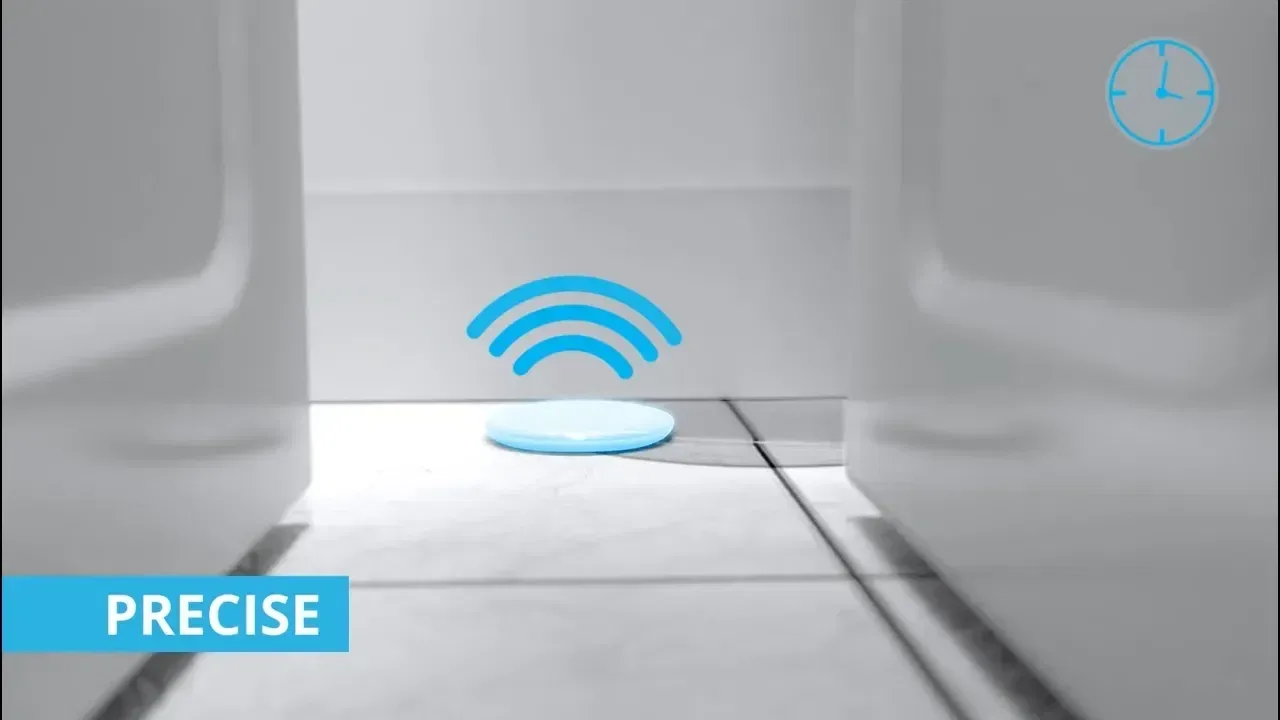
- 0.015-inch Leak Sensitivity: These sensors can detect a film of water thinner than a credit card.
- Gold-Plated Probes: Unlike cheap steel probes that corrode and fail, gold-plated probes ensure the sensor actually works when the "big one" happens five years from now.
- 5°C Freeze Alerts: In the Lower Mainland, a sudden cold snap can lead to burst pipes in parkades or near intake vents. Getting an alert at 5°C allows the team to act before the pipe freezes.
Secret #3: The Power of the Automatic Water Shut Off Valve
A sensor that just sends a text message is only half the solution. If a leak occurs at 3:00 AM on a Tuesday, an alert doesn't stop the water from flowing.
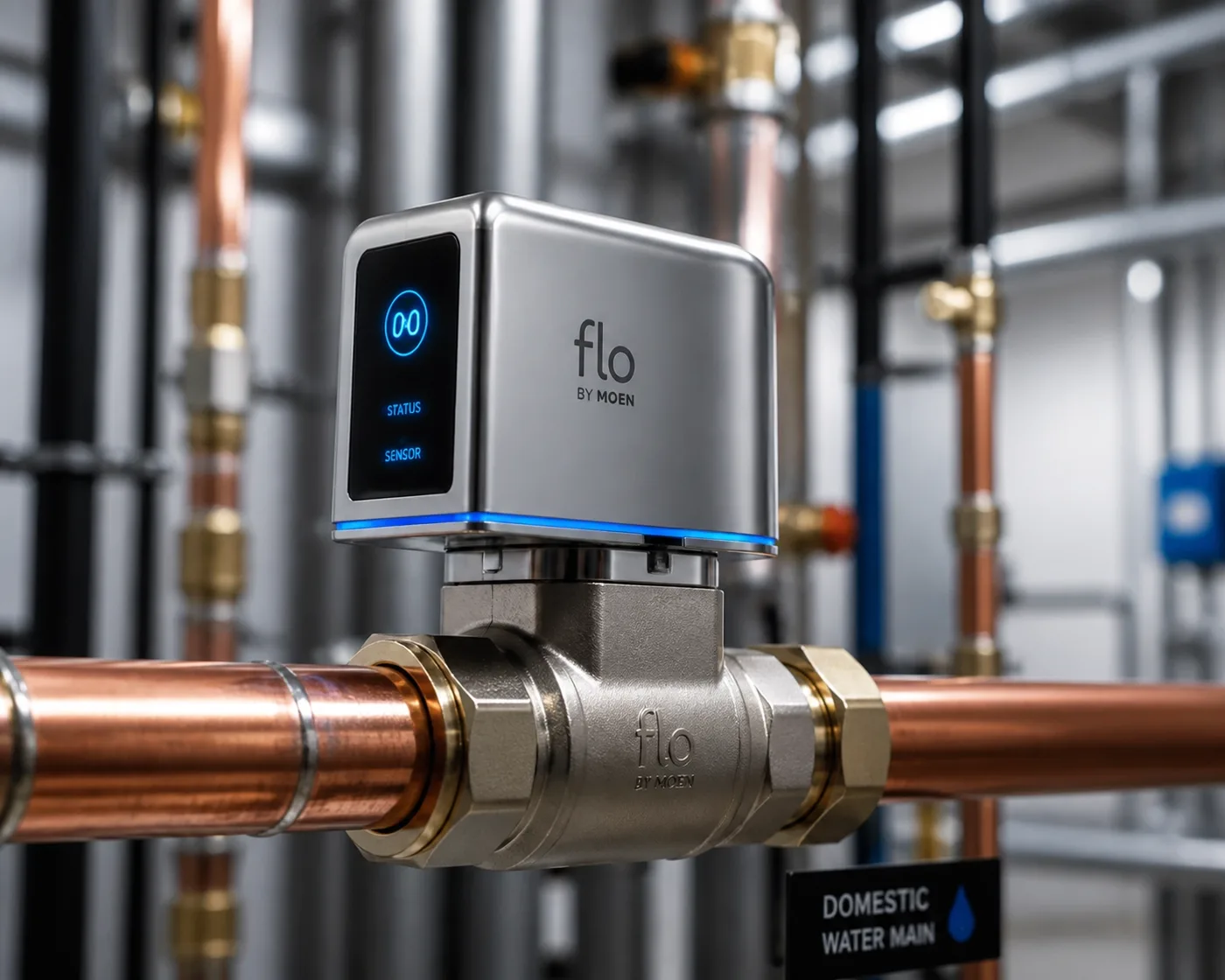
The building installed an automatic water shut off valve on the main supply lines for high-risk zones. The moment a sensor detects moisture, the system sends a signal to the valve, which closes instantly. This "detect and defend" approach is what prevented those 14 leaks from becoming 14 insurance claims.
How 14 Leaks Were Stopped in 60 Days
You might wonder: How does one building even have 14 leaks in two months? The reality is that most buildings do: they just don't know it until the damage is done. Here is what the system caught:
- 3 In-Suite Supply Line Leaks: Tiny drips under kitchen sinks that would have eventually rotted the cabinetry and leaked into the unit below.
- 2 Washing Machine Hose Failures: High-pressure bursts that were stopped mid-cycle by the automatic shut-off.
- 2 HVAC Condensate Overflows: Clogged drains in the cooling units that were caught before the ceiling drywall became saturated.
- 4 Common Area Plumbing Issues: Small valve leaks in the mechanical room that were identified during peak pressure periods.
- 3 Slow Pinhole Leaks: Hidden leaks behind walls that were caught by the high-sensitivity sensors placed near floor drains and risers.
By catching these early, the building avoided common causes of leaking pipes and the massive headaches of condo water damage.
The Insurance Multiplier: Turning Prevention into Savings
For the strata council, the financial math was simple. They weren't just saving money on drywall; they were saving their insurance policy. Many Canadian insurers, including Aviva, Northbridge, and Wawanesa, now offer incentives or premium reductions for buildings equipped with IoT water damage prevention systems.
By documenting every "save," the property manager could prove to their insurance broker that the building was a lower risk. This proactive stance is one of the most effective advanced leak detection insurance strategies available today.

Why Vancouver Property Managers are Switching to Smart Monitoring
Managing a building in the Lower Mainland comes with unique challenges. From the "Pineapple Express" rainstorms that test building envelopes to the aging infrastructure in West End towers, water is the number one threat to asset value.
Voice search queries for "water leak detection near me" are rising because managers are tired of the "after-hours emergency" phone calls. They want a system that provides:
- Real-time monitoring: Knowing exactly where the leak is located (e.g., Unit 402, under the dishwasher).
- LTE Connectivity: Systems that don't rely on the building's shaky Wi-Fi or a resident's home internet.
- Centralized Management: A dashboard where the property manager can see the health of every sensor in the portfolio.
Replicating the Success in Your Building
If you are ready to stop the cycle of water damage and insurance claims, the path forward is clear. You don't need to do a full-scale renovation to protect your assets. Modern systems are designed for retrofitting with minimal disruption to residents.
- Start with an Assessment: Identify the "Leak DNA" of your property.
- Choose Professional Grade: Look for gold-plated probes and LTE-enabled control panels.
- Enable Automatic Response: Ensure your system includes an automatic water shut off valve.
- Monitor 24/7: Use a service that provides real-time alerts to your maintenance team.
Protect Your Building with Leak Logic Canada
Don't wait for the next "nightmare" leak to compromise your building's integrity or your insurance standing. At Leak Logic Canada, we specialize in helping strata councils and property managers across Vancouver, Burnaby, Richmond, and the entire Lower Mainland safeguard their investments.
Whether you are looking to lower your deductibles or simply want the peace of mind that comes with 24/7 real-time monitoring, we have the expertise to design a tailored solution for your high-rise or commercial property.
Ready to stop leaks before they start?
Contact Leak Logic Canada today for a professional consultation. We provide the most advanced high rise water leak detection solutions in BC, ensuring your property stays dry and your premiums stay manageable.
Call us at [Insert Phone Number] or visit our office in [Insert Local Area] to learn how we can protect your portfolio.
For more tips on protecting your property, check out our latest posts on preventing condo water damage and the benefits of smart water leak detectors.
Don't wait for a leak to happen.
Protect your property with a professionally installed NOWA automatic shut-off system. Contact us for a free assessment.