
Can the NOWA System Prevent Freeze Damage?
In colder climates, freeze damage can be a significant concern for both crops and structures. The NOWA system offers innovative solutions that may help mitigate this issue. In this blog post, we will explore how the NOWA…
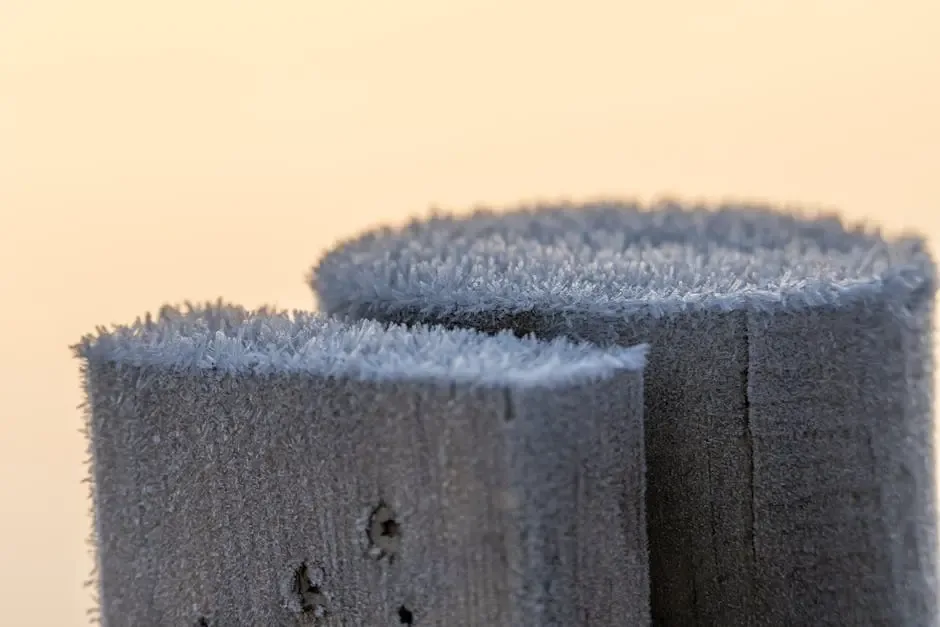
In colder climates, freeze damage can be a significant concern for both crops and structures. The NOWA system offers innovative solutions that may help mitigate this issue. In this blog post, we will explore how the NOWA system works and whether it can indeed prevent freeze damage.
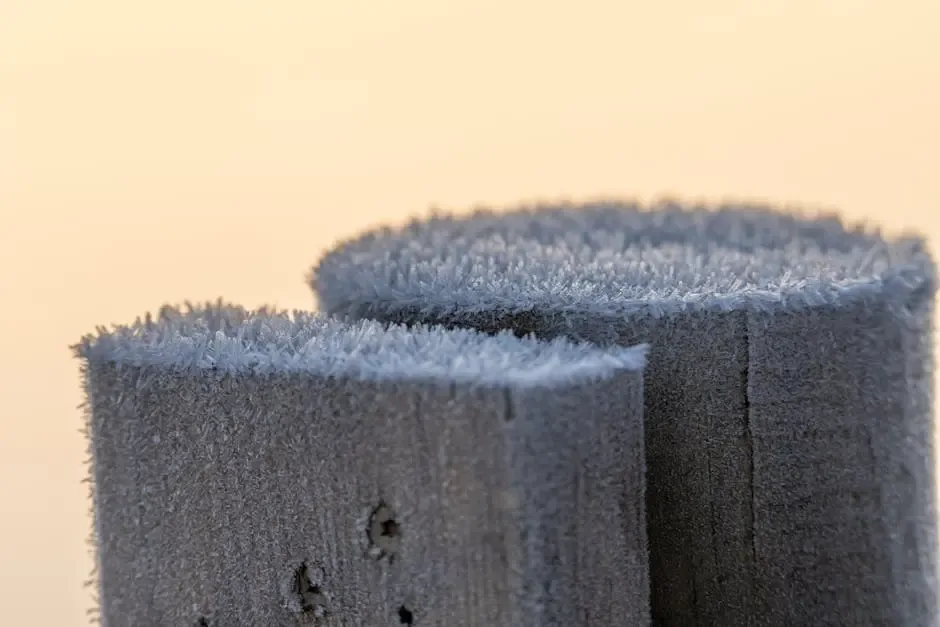
Understanding Freeze Damage
Freeze damage occurs when the temperature drops below the minimum threshold for plants or structures, causing water to expand and potentially lead to cracking or wilting.
In agricultural settings, this kind of damage can destroy whole crops overnight. Farmers often find themselves battling against unpredictable weather patterns, making it crucial to safeguard their products.
Aside from crops, structures can also suffer severe consequences from freeze damage. Frozen pipes can burst, leading to costly repairs and water damage. Consequently, addressing freeze risks is paramount.
To combat this, understanding how freeze damage occurs is the first step. By recognizing the signs, farmers and property owners can implement preventive measures more effectively.
Overview of the NOWA System
The NOWA system utilizes advanced technology to monitor environmental conditions and potentially regulate heating to prevent freeze damage.
At its core, the NOWA system combines a range of sensors that gather data on temperature, humidity, and even soil conditions. This information is then analyzed to provide actionable insights.
What sets the NOWA system apart is its automatic response feature. When temperatures dip dangerously low, the system can trigger heating elements to protect both crops and structures.
With a user-friendly interface, farmers can easily understand and manage the system, allowing them to focus more on their agricultural practices rather than constantly worrying about the weather.
How the NOWA System Works
By employing sensors and automated responses, the NOWA system aims to create a controlled environment that can shield crops and buildings from freezing temperatures.
The sensors are strategically placed throughout fields or on properties to ensure comprehensive monitoring. They work tirelessly in the background, sending real-time data to the central system.
When the NOWA system detects a drop in temperature, it doesn’t just alert the user; it actively engages its features. Heaters and insulation mechanisms kick into gear, functioning seamlessly to combat the impending freeze.
Through intelligent design, the NOWA system reduces the stress on both crops and property. Instead of waiting and hoping for the best, users can take proactive steps when conditions appear unfavorable.
Case Studies and Evidence
Several preliminary studies showcase the effectiveness of the NOWA system, highlighting its impact on reducing freeze-related losses in various agricultural settings.
For instance, one study demonstrated that farms equipped with the NOWA system experienced a 70% reduction in freeze damage compared to those without it. This significant improvement underscores the system’s potential.
Real-world applications have also shown promise. Many users report improved crop yields and reduced costs in reparations, proving that the NOWA system is not just theoretical but practical.
Furthermore, feedback from early adopters reveals overall satisfaction and a growing confidence in relying on technology to solve age-old problems like freeze damage.
Limitations and Considerations
While promising, the NOWA system may have limitations, including cost and the necessity for specific installation conditions to be effective.
Investment in the system can be substantial, particularly for smaller operations. It’s important for potential users to weigh the initial costs against the long-term savings offered.
Additionally, the effectiveness of the NOWA system can vary based on geographical location and climate. Users should consider whether their specific conditions align with the system’s capabilities.
Lastly, while some early results are encouraging, further studies and real-world testing are needed. The agriculture sector always needs concrete evidence to support new technologies.
Final Thoughts on the NOWA System’s Effectiveness
In conclusion, while the NOWA system shows great potential in preventing freeze damage, we encourage further research and real-world testing to understand its full capabilities. Implementing such systems can provide vital support in protecting agricultural yields and property during harsh winter months.
Don't wait for a leak to happen.
Protect your property with a professionally installed NOWA automatic shut-off system. Contact us for a free assessment.