
What Features Should I Look for in a System to Prevent Water Damage Insurance Claims?
When it comes to protecting your home from water damage, having the right system in place can save you time, money, and frustration. In this guide, we’ll explore the key features to consider in a system designed to preve…

When it comes to protecting your home from water damage, having the right system in place can save you time, money, and frustration. In this guide, we’ll explore the key features to consider in a system designed to prevent water damage insurance claims. Whether you’re a homeowner or a property manager, understanding these features can help you make informed decisions and reduce the risk of costly insurance claims.
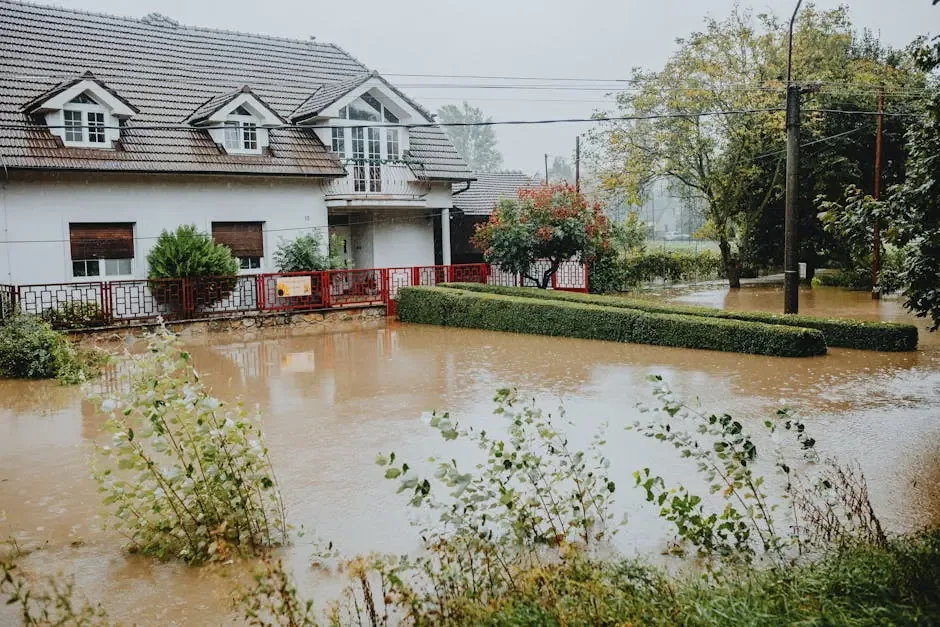
Step 1: Assess Your Vulnerabilities
Evaluate areas in your home or building that are prone to water damage, such as basements, roofs, and plumbing systems.
Start by identifying key vulnerabilities; for instance, older homes may have outdated plumbing that is more susceptible to leaks. Also, don’t forget to examine the exterior of your property. Cracks in walls or improperly sealed windows can let in water during heavy rains, resulting in substantial damage. It’s essential to understand that the better you assess these risks, the more effectively you’ll be able to implement preventive measures.
Creating a vulnerability checklist can be incredibly helpful. Consider factors like previous flooding incidents or spots where moisture accumulates. This proactive approach not only aids in prioritizing repairs but also helps you communicate your concerns efficiently while seeking advice or chosen systems.
Finally, keep in mind that water damage can occur silently over time. Regularly reviewing and updating your assessments will ensure you don’t miss any emerging vulnerabilities, allowing you to stay one step ahead in your preventative measures.
Step 2: Look for Leak Detection Sensors
Choose a system that includes advanced leak detection sensors to catch problems before they escalate.
These sensors act as your first line of defense, alerting you to leaks at the earliest possible stage. The sooner you know about an issue, the quicker you can address it, potentially saving you thousands in repairs. Some systems even send alerts to your smartphone or can be integrated with smart home devices, ensuring you’re always informed.
Moreover, it’s beneficial to opt for sensors that have a wide sensing range. Placing multiple sensors in critical areas, such as near water heaters, under sinks, or around appliances that use water, adds an extra layer of protection. The more comprehensive the coverage, the lower the risk of unnoticed leaks causing damage.
Additionally, consider systems that feature self-testing capabilities. This built-in function periodically checks the sensors’ performance to ensure they are operational. Consistent monitoring of the sensors reinforces your strategy to prevent water damage insurance claims, keeping you well-protected.
Step 3: Opt for Automated Shut-off Valves
Automated shut-off valves can stop water flow immediately when a leak is detected, preventing extensive damage.
These valves work in conjunction with leak detectors, providing a seamless response to potential disasters. In the event of a leak, they automatically close, stopping water and minimizing damage. Understanding how these valves work gives you a sense of security and control over your environment.
Furthermore, modern shut-off systems can be controlled remotely. Imagine being on vacation and receiving a leak alert, only to activate the shut-off valve from your phone. This feature not only minimizes damage but also alleviates stress, as you’re equipped to handle issues from afar. Coordinating with your water damage prevention system can significantly decrease the chances of significant insurance claims.
In addition to automatic responses, look for valves that offer manual control options for those times when you want to turn the water off for repairs or maintenance. Redundancy in this feature ensures that you are always in control, regardless of the situation.
Step 4: Consider Remote Monitoring Capabilities
Select systems that offer remote monitoring through mobile apps, allowing you to keep tabs on your property from anywhere.
The connectivity provided by remote monitoring is invaluable, offering real-time updates and alerts straight to your device. Imagine receiving an alert about a leak while you’re at work or on a trip; having the ability to check in and even respond directly can save the day. This feature truly enhances your ability to act quickly.
Additionally, choose systems that compile historical data tracked by these monitoring apps. By reviewing trends in moisture levels or past alerts, you can identify potential issues before they even arise, further streamlining your prevention strategy.
It’s also worth noting the importance of user experience. An intuitive app can enhance your overall monitoring experience, allowing for easy navigation and quick response capabilities. Accessibility is key to ensuring you’re always in the loop and prepared to prevent water damage insurance claims.
Step 5: Prioritize User-Friendly Integration
Ensure the water damage prevention system is easy to use and integrates smoothly with your existing home automation systems.
A well-integrated system not only streamlines your user experience but also enhances overall effectiveness. For instance, linking leak sensors to your home’s smart lights could have your lights flash when a leak is detected, alerting you immediately. This interconnectedness turns your prevention technology into a cohesive unit, responding efficiently to any issues.
It’s essential to choose a system that aligns with the devices you already own. Compatibility with popular home automation platforms can simplify setup and operation, allowing you to maximize features without extensive adjustments. Always consult compatibility charts or manufacturers to ensure a smooth integration process.
User-friendliness goes beyond just setup; consider the maintenance requirements of your system as well. A device that requires constant recalibration or technical know-how can undermine the simplicity you’re after. Look for solutions that offer a balance of high-tech features while remaining user-centric, making your experience enjoyable and stress-free.
Final Thoughts
Investing in a comprehensive water damage prevention system is a smart move. By focusing on these essential features, you can protect your home, ensure peace of mind, and potentially save money on insurance premiums. Remember, the best defense against water damage is being proactive rather than reactive.
Don't wait for a leak to happen.
Protect your property with a professionally installed NOWA automatic shut-off system. Contact us for a free assessment.