
The Proven Remote Monitoring Framework: How Sensors, Valves, and Alerts Work Together to Stop Water Damage Before It Starts
Here's a fun fact that's not fun at all: the average insurance claim for water damage in a Canadian condo sits around $15,000. And that's just the _average_. When a pipe bursts on the 14th floor at 2 AM and floods six un…
Here's a fun fact that's not fun at all: the average insurance claim for water damage in a Canadian condo sits around $15,000. And that's just the average. When a pipe bursts on the 14th floor at 2 AM and floods six units below? You're looking at damages that can easily hit six figures before anyone even notices.
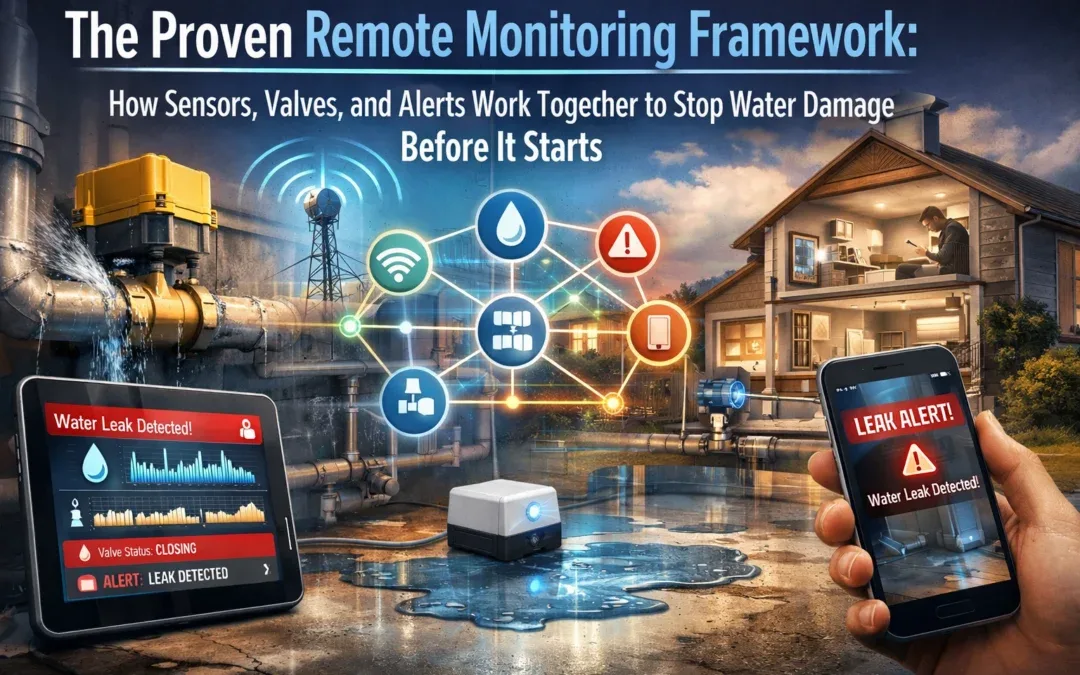
The good news? There's a proven framework that stops water damage before it spirals out of control. It's not magic: it's three smart components working together like a well-rehearsed band: sensors that detect problems early, alerts that notify you instantly, and valves that shut everything down automatically. Let's break down how this life-saving trio actually works in real buildings.
The Detection Layer: Where Gold-Plated Sensors Shine
Think of leak detection sensors as the sentries standing guard at every vulnerable point in your building. These aren't just moisture detectors slapped under a sink: they're strategically positioned near water heaters, HVAC units, supply lines, washing machine connections, and anywhere else water likes to escape when things go sideways.
But here's where quality matters. Cheap sensors corrode. They give false alarms. They stop working right when you need them most. That's why water leak sensors for apartments and commercial spaces need gold-plated probes. Gold doesn't corrode, doesn't degrade, and maintains consistent conductivity for years. It's the difference between a sensor that works reliably for a decade and one that starts throwing false positives after six months.
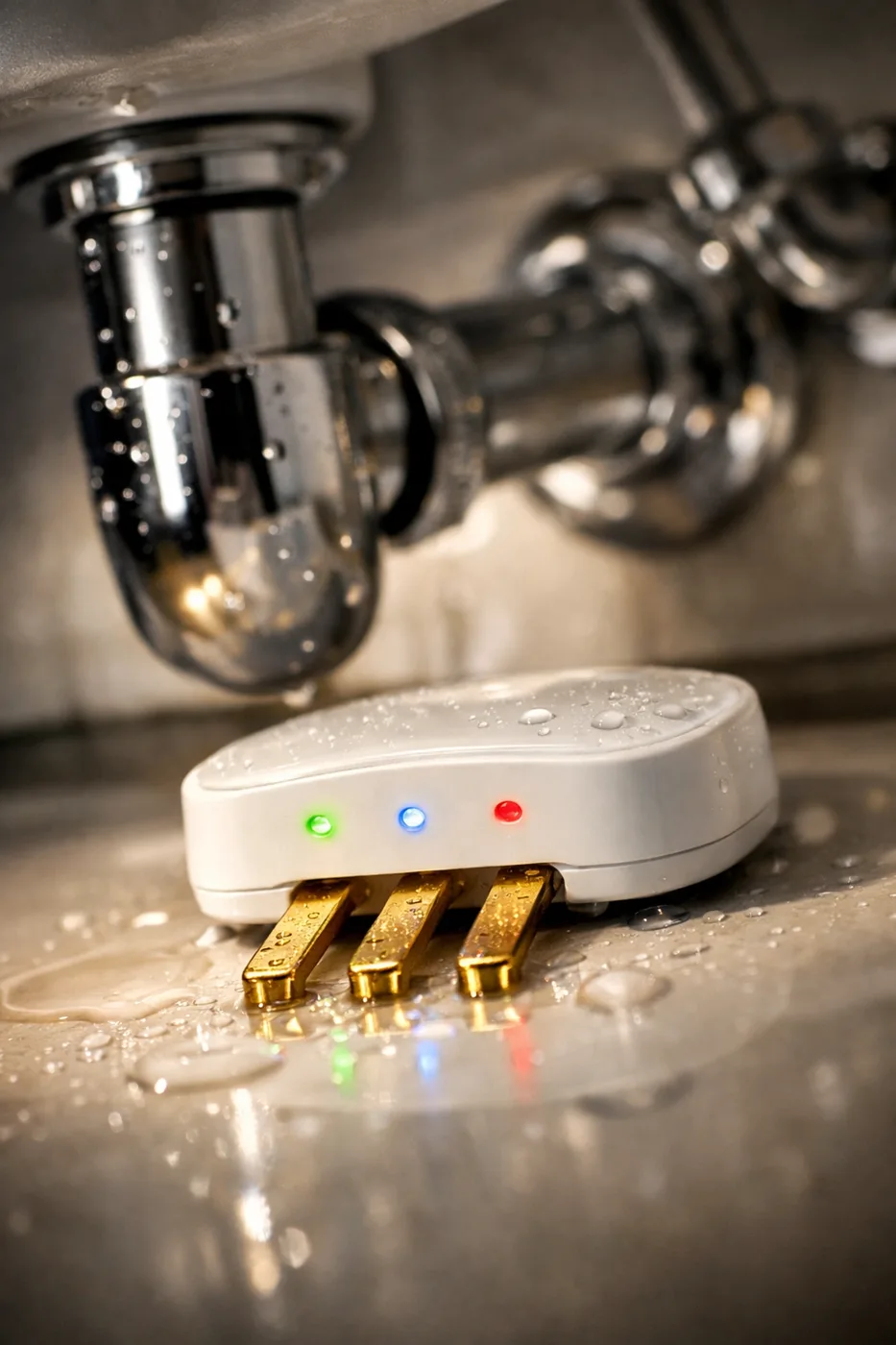
Modern sensors do more than just detect moisture. Advanced commercial leak detection systems use machine learning algorithms to understand normal water flow patterns in your building. They learn when people typically shower, when the dishwasher runs, when irrigation systems activate. This intelligence helps them differentiate between your morning coffee routine and an actual pipe failure: cutting down false alarms by up to 90%.
Moreover, these sensors aren't tied to your Wi-Fi network (which, let's be honest, goes down at the worst possible times). They use LoRaWAN or Bluetooth Low Energy connectivity, operating on battery power that lasts up to 10 years. No wiring. No infrastructure headaches. Just reliable monitoring that works even when your internet doesn't.
The Alert System: Speed Is Everything
Detecting a leak means absolutely nothing if no one knows about it. This is where the alert layer turns detection into action. When a sensor identifies water where it shouldn't be, it triggers immediate notifications across multiple channels simultaneously: text messages, emails, app push notifications, and even live phone calls if needed.
The speed here is critical. According to insurance data, every minute of delay between leak detection and response increases damage costs exponentially. A leak caught in the first five minutes might cost a few hundred dollars to fix. The same leak discovered six hours later? That's when you're calling restoration companies and filing insurance claims.
Cloud-based platforms give property managers 24/7 visibility through centralized dashboards. You can see exactly which sensor triggered, where it's located in the building, and the complete history of when the alert started. If you manage multiple properties, you get unified visibility across your entire portfolio from a single screen.
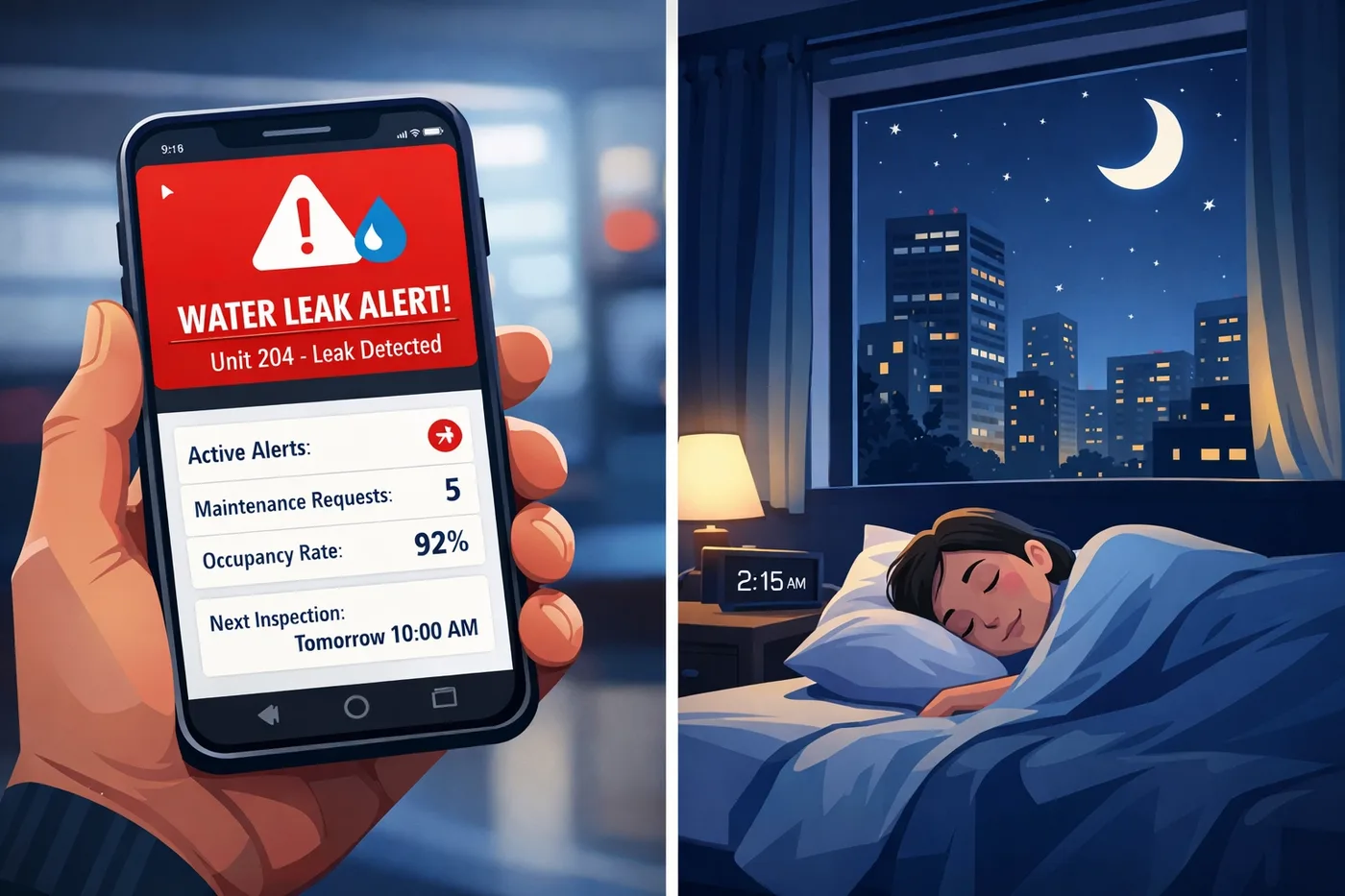
This is especially crucial for condo water leak detection, where damage rarely stays contained to one unit. Water flows downward, following gravity through floors and walls. A leak in Unit 804 becomes a problem for Units 704, 604, and 504 before anyone realizes what's happening. Centralized monitoring catches these cascading issues early, protecting multiple residents simultaneously.
The Failsafe: Automatic Water Shutoff Valves
Here's where the framework really earns its keep. Detection is great. Alerts are essential. But what happens when the property manager is stuck in traffic, or it's 3 AM and everyone's asleep, or the maintenance team is dealing with another emergency across town?
That's where a water shut off valve with leak detection becomes your building's best friend. When the sensor detects water and triggers an alert, the system can automatically activate shutoff valves without waiting for human intervention. The water flow stops immediately at the source: no delay, no guesswork, no hoping someone sees their phone in time.
Think about the math here. A standard pipe supplies water at about 2 gallons per minute under normal pressure. A burst pipe? That can release 5-10 gallons per minute or more. Every minute that water flows unchecked adds another 10 gallons flooding into walls, floors, and neighboring units. An automatic shutoff valve eliminates that entire window of escalation.
For high-value properties: healthcare facilities with sensitive equipment, IT server rooms, research labs, luxury condos: this failsafe protection isn't optional. It's the difference between a contained incident and a catastrophic loss.
The Bonus Guardian: Freeze Alert Sensors
Canadian winters aren't just cold: they're pipe-threatening. When temperatures drop, uninsulated pipes in parkades, mechanical rooms, or poorly heated areas become ticking time bombs. A frozen pipe doesn't leak while it's frozen. It bursts when it thaws, releasing all that pressurized water at once.
Freeze alert sensors add another layer of protection by monitoring temperature at vulnerable locations. When ambient temperature drops to 5°C (the danger zone where pipes start to freeze), you get instant alerts. This gives your team time to address the issue before ice forms: adding heat tape, adjusting thermostats, or temporarily draining exposed lines.

This early warning system has saved countless buildings from the nightmare scenario of returning after a cold snap to discover multiple burst pipes thawing simultaneously. It's proactive protection that turns a potential disaster into a preventable maintenance task.
Why the Framework Works: Integration Over Isolation
The magic isn't in any single component: it's in how they work together as an interconnected system. IoT-connected monitoring tracks flow, pressure changes, temperature, and moisture levels simultaneously, sending data to cloud platforms where algorithms analyze patterns and trigger coordinated responses.
In multi-unit buildings, localized protection isn't enough. You need building-wide visibility because water damage often originates from adjacent units. The framework provides that unified monitoring, ensuring nothing slips through the cracks.
Property managers who implement this integrated approach report dramatic reductions in insurance claims, faster response times, and significantly lower remediation costs. Insurance companies notice too: many offer premium discounts for buildings with comprehensive water monitoring systems because the data proves they work.
The Insurance and Construction Safety Connection
Speaking of insurance, comprehensive remote monitoring systems do more than just prevent damage: they provide the documentation insurers require. Every sensor activation, every alert sent, every valve closure gets logged with timestamps and location data. If a claim does happen, you have complete records showing your building had proper protection in place and responded appropriately.
For construction sites and newly renovated buildings, these systems catch installation defects before occupancy. A poorly soldered joint, a loose connection, a manufacturing defect in a valve: sensors identify these issues during the vulnerable early months when most installation-related leaks occur.
Your Building Deserves Better Than Hoping for the Best
The old approach to water damage prevention was essentially crossing your fingers and hoping nothing went wrong. Maybe someone would notice water pooling. Maybe the damage wouldn't spread too far before discovery. Maybe the insurance claim wouldn't be denied due to "lack of preventive measures."
The proven remote monitoring framework replaces all that uncertainty with intelligent, integrated protection that works 24/7: even when buildings are vacant, when it's the middle of the night, or when your maintenance team is stretched thin.
This isn't emerging technology anymore. It's field-proven in thousands of buildings across Canada, protecting everything from high-rise condos to commercial offices to heritage properties that can't afford even minor water damage.
Ready to Stop Playing Defense with Water Damage?
Whether you're managing a condo building, overseeing commercial properties, or protecting a single high-value residence, the integrated framework of sensors, alerts, and automatic shutoffs provides the comprehensive protection modern buildings need.
Call Leak Logic Canada today to learn how our gold-plated sensor systems, freeze alert monitoring, and automatic shutoff valves can protect your property before the next leak starts. Our team will walk you through exactly how this proven framework can be customized for your specific building and budget: giving you the peace of mind that comes from knowing water damage will be caught and stopped before it ever becomes a crisis.
Don't wait for a leak to happen.
Protect your property with a professionally installed NOWA automatic shut-off system. Contact us for a free assessment.