
The Ultimate Guide to High-Rise Water Leak Detection: Everything You Need to Succeed as a Property Manager
If you’ve managed a high-rise in Vancouver or the Lower Mainland for any length of time, you know the sound. It’s 2:00 AM, your phone buzzes on the nightstand, and you just _know_ it’s not good news. It’s a "waterfall ev…

If you’ve managed a high-rise in Vancouver or the Lower Mainland for any length of time, you know the sound. It’s 2:00 AM, your phone buzzes on the nightstand, and you just know it’s not good news. It’s a "waterfall event." A pipe burst on the 18th floor, and now water is cascading through the electrical closets, ruining the elevators, and soaking the carpets of twenty different units.
As a property manager or strata council member, water damage isn't just an inconvenience: it’s a threat to your building's assets, your insurance standing, and your sanity. In the dense vertical landscape of cities like Burnaby and Vancouver, a single leak can quickly turn into a multi-million dollar liability.
This guide is designed to help you move from reactive "firefighting" (or flood-fighting) to proactive protection. We’re going to look at why high-rise water leak detection is a non-negotiable for modern asset management and how you can implement a system that stops leaks before they stop your building's operations.
Why High-Rise Buildings Face a Different Kind of Water Risk
Managing a single-family home is one thing, but managing a high-rise is an entirely different beast. In a typical Vancouver condo or commercial tower, the plumbing infrastructure is a complex web of shared risers, high-pressure lines, and hidden connections.
The Waterfall Effect
In a high-rise, gravity is your worst enemy. A leak on a top floor doesn't stay there. It travels down through floor slabs, follows electrical conduits, and pools in the most expensive areas of the building, like elevator pits or lobby mechanical rooms. By the time someone notices a damp spot on a ceiling, the damage is often already five floors deep.
Aging Infrastructure and High Pressure
Many towers in the Lower Mainland are reaching an age where original plumbing is beginning to fail. Combine aging pipes with the high pressure required to move water up thirty stories, and you have a recipe for catastrophic failure. This is why a high rise water leak detection strategy is essential for any building over ten years old.

The Evolution of the Smart Water Leak Detector
Gone are the days of relying on a resident to notice a puddle. Modern smart water leak detector technology allows property managers to have eyes on every high-risk area of their portfolio, 24/7.
At Leak Logic Canada, we focus on solutions that are purpose-built for the B2B sector. We don't just sell gadgets; we provide enterprise-level risk reduction. A professional water leak detection system consists of three main pillars:
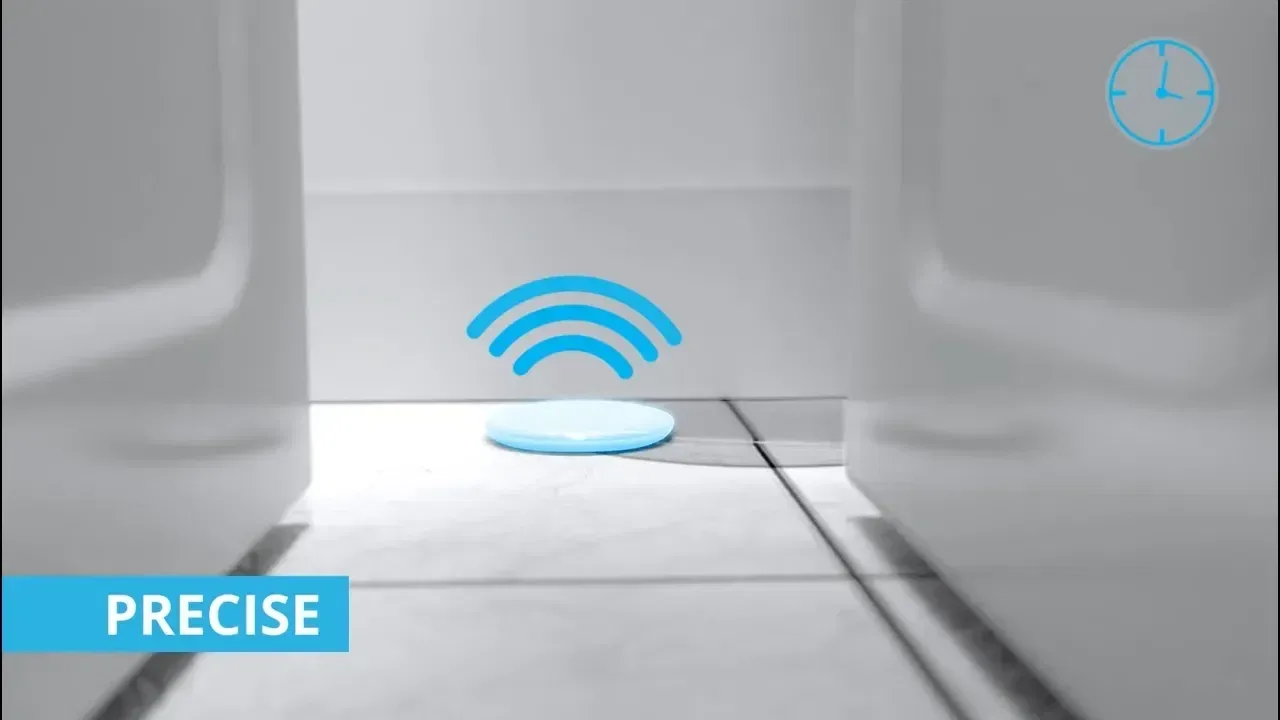
- Sensing: Precision sensors placed in high-risk zones (mechanical rooms, under fan-coil units, near hot water tanks).
- Communication: A centralized hub that sends real-time alerts to your smartphone or building management system (BMS).
- Action: An automatic water shut off valve that kills the water supply the millisecond a leak is detected.
The Leak Logic Technical Advantage
When evaluating systems for your strata or commercial property, the technical specs matter. Our systems feature:
- 0.015-inch Leak Sensitivity: We detect a few drops, not a flood. This allows for intervention before drywall is even compromised.
- Gold-Plated Probes: Unlike cheap retail sensors that corrode over time, gold-plated probes ensure long-term reliability and conductivity.
- 5°C Freeze Alerts: Essential for preventing burst pipes during those cold Vancouver winters.
Where Should You Place Sensors for Maximum Protection?
Strategically placing sensors is the difference between a system that works and one that just takes up space. For property managers, focus on these "hot zones":
- Fan-Coil Units & Heat Pumps: These are notorious for slow, hidden drips that cause mold.
- Water Heaters: Both in individual units and central mechanical rooms.
- Kitchen & Laundry Stacks: Areas where appliances like dishwashers and washing machines are prone to hose failures.
- Common Area Bathrooms: Often overlooked, but a source of significant liability if a toilet overflows overnight.
Understanding the ROI: Insurance and Liability
Let’s talk about the bottom line. Why should a Strata Council or an Asset Manager invest in high-rise water leak detection? It usually comes down to insurance.
In recent years, the Vancouver insurance market has seen massive spikes in deductibles. It’s not uncommon for a building to have a $50,000 or even $250,000 water damage deductible. One major event can wipe out a building's contingency reserve fund.
Reducing Premiums and Protecting Insurability
Many Canadian insurers, including Northbridge, Aviva, and Intact, now recognize the value of automated protection. In fact, Leak Logic Canada works closely with programs like the Northbridge Insurance Onyx policy, where the cost of the system may be partially or fully covered.
By installing a recognized automatic water shut off valve system, you aren't just preventing damage; you are making your building a more attractive risk to insurers. This can lead to lower premiums and, more importantly, lower deductibles. Check out our post on advanced leak detection and insurance for a deeper dive into this.

Retrofitting vs. New Construction: Is it Too Late?
One of the biggest myths property managers believe is that leak detection needs to be "built-in" from day one. This couldn't be further from the truth.
Modern IoT (Internet of Things) systems are designed for retrofitting. Most of our installations in the Lower Mainland are in existing buildings. Because the sensors are wireless and the control panels use LTE or secure local networks, there is no need to rip open walls or run miles of cabling.
A phased implementation is often the best approach for Strata Councils. You might start with the most high-risk mechanical rooms and then move to a unit-by-unit rollout during a planned plumbing upgrade. This spreads the cost while providing immediate protection for the building's most vulnerable areas.
Common Mistakes to Avoid in High-Rise Protection
Even with the best intentions, some property managers fall into traps that compromise their building's safety:
- Buying Consumer-Grade Gear: "Smart" sensors from big-box stores are not designed for the concrete and steel interference of a high-rise. You need industrial-strength signal penetration.
- Ignoring Maintenance: A sensor with a dead battery is just a piece of plastic. Our systems feature a centralized management portal that tells you the health and battery life of every sensor in the building.
- No Automatic Shutoff: Detecting a leak is only half the battle. If a pipe bursts at 3:00 PM on a Friday while everyone is stuck in traffic on the Lions Gate Bridge, an alert won't save you. You need an automatic water shut off valve to stop the flow immediately.
For more tips on what to watch out for, read our guide on water damage prevention mistakes.
Voice Search & Local FAQ: High-Rise Water Protection in BC
To help you and your board make informed decisions, here are the most common questions we hear from property managers in the Vancouver area.
What is the best water leak detection system for a Vancouver condo?
The best system is one that combines wireless point-of-leak sensors with an automated shutoff valve and centralized monitoring. In BC, systems like Nowa are highly recommended because they are insurance-approved and built to handle the rigors of multi-unit residential buildings.
Do I need a plumber to install a smart water leak detector?
While sensors can be placed by maintenance staff, the automatic water shut off valve must be installed by a certified plumber to ensure it meets BC Building Code and maintains your insurance compliance.
How much does high-rise water leak detection cost?
The cost varies based on the number of units and common areas. However, when compared to a single $100,000 deductible payment, the system usually pays for itself in a single prevented event. Many buildings see a full ROI within 12 to 24 months through insurance savings and avoided repair costs.
Secure Your Building's Future with Leak Logic Canada
Managing a high-rise in the Lower Mainland is a massive responsibility. You are tasked with protecting millions of dollars in real estate and the safety of hundreds of residents. Water damage is the biggest threat to that mission, but it is a threat you can control.
Don't wait for the next flood to rethink your strategy. Whether you are managing a luxury tower in Coal Harbour, a commercial complex in Burnaby, or a strata portfolio in Surrey, Leak Logic Canada is your partner in risk reduction. We provide the technical expertise and the insurance-recognized hardware needed to keep your buildings dry and your deductibles low.
Protect Your Portfolio Today
Are you looking for the best water leak detection system "near me" in Vancouver or the Lower Mainland? Contact Leak Logic Canada for a professional assessment of your property. Our team specializes in helping property managers and strata councils implement robust, automated solutions that provide true peace of mind.
Contact Leak Logic Canada today to schedule a consultation and learn how we can safeguard your high-rise against water damage.
Call us at [Insert Phone Number if available] or visit https://leaklogiccanada.com to get started. Let’s stop the leaks before they start.
Don't wait for a leak to happen.
Protect your property with a professionally installed NOWA automatic shut-off system. Contact us for a free assessment.