
Water Damage Protection Technology: What You Need to Know
Water damage can wreak havoc on homes and businesses, leading to costly repairs and extensive downtime. Thankfully, advancements in technology are providing innovative solutions to protect against water damage. In this b…
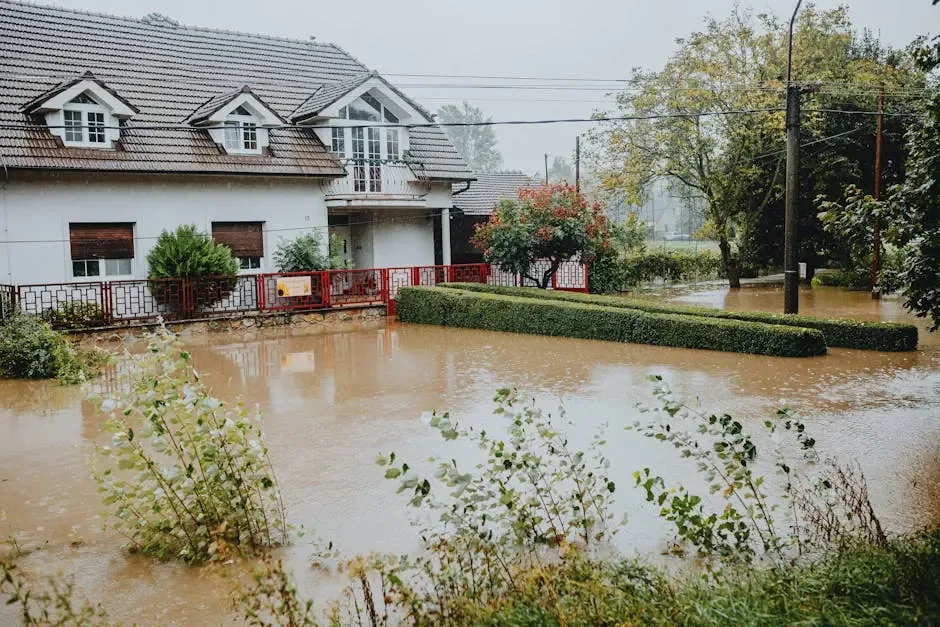
Water damage can wreak havoc on homes and businesses, leading to costly repairs and extensive downtime. Thankfully, advancements in technology are providing innovative solutions to protect against water damage. In this blog post, we’ll explore the various water damage protection technologies available today, helping you make informed choices to safeguard your property.
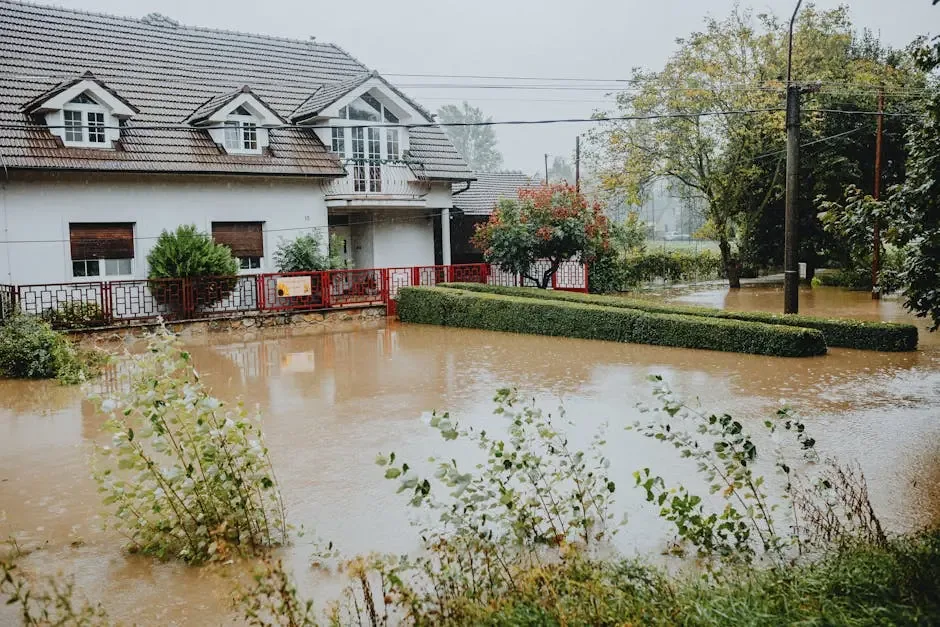
Understanding the Risks of Water Damage
Water damage can originate from a variety of sources, such as heavy rainfall, plumbing failures, or even natural disasters. Knowing the common causes and impacts of water damage is the first step in prevention.
The consequences of water damage extend beyond mere aesthetics. Mold growth, structural instability, and damage to valuables are just a few of the potential outcomes. When a leak goes undetected, the damage can escalate rapidly, leading to more severe issues that require costly repairs.
For many homeowners, understanding the risks can feel overwhelming. However, by becoming acquainted with the warning signs—like discoloration on walls, dampness, or a musty odor—you position yourself to act swiftly. A proactive approach to recognizing these signs can make all the difference.
The Role of Water Detection Systems
Modern water detection systems play a crucial role in early warning and prevention. These systems can alert homeowners to leaks and moisture before serious damage occurs, helping to save time and money.
Equipped with advanced sensors, these systems continuously monitor the moisture levels in your home. When they detect unusual humidity or moisture, they immediately send alerts straight to your smartphone or other devices. This real-time notification allows you to take immediate action—often before damage sets in.
Some systems even integrate with smart home technology, contributing to an all-around protective environment. Imagine being away on vacation and receiving a warning about a potential leak! This peace of mind is invaluable for any homeowner.
Smart Home Technology for Water Damage Prevention
With the rise of smart home technology, there are now solutions that integrate seamlessly into your home environment. From automated shut-off valves to sensor-based systems, these innovations provide an extra layer of protection.
One standout innovation is the smart shut-off valve. If a leak is detected, this valve automatically closes the main water supply to your home, stopping potential flooding in its tracks. It’s like having your very own water management assistant!
Moreover, smart home systems can often be managed remotely. So, whether you’re at work or on vacation, you can monitor your home’s water status with the touch of a button. Such control and oversight greatly enhance your ability to prevent water damage.
Using Waterproofing Materials Effectively
Choosing the right materials for your property can also help prevent water damage. This section will discuss various waterproofing options that are available, including coatings and sealants.
Investing in high-quality waterproofing materials creates a barrier against moisture intrusion. From basement waterproofing systems to roof sealants, understanding which materials are best suited for your home’s needs is essential.
Consider integrating waterproof membranes and sealers around critical areas like your foundation, basement, and even attics. These materials act as a first line of defense, helping to channel water away and keep interior spaces dry.
Regular Maintenance and Inspection Practices
Maintaining your property is essential for water damage prevention. Establishing a routine for inspections and maintenance can significantly reduce the risk of unexpected damage.
Simple tasks, such as cleaning gutters and downspouts regularly and ensuring proper drainage around your home’s foundation, can make a world of difference. Each component of your home works together to keep water out, and when one fails, it can lead to disastrous effects.
Moreover, seasonal inspections allow you to detect potential problems before they escalate into serious issues. Make it a habit to check your plumbing, roofing, and drainage systems, and consider hiring a professional for a thorough checkup if necessary.
Emergency Response Plans for Water Damage
Having a response plan in place can help minimize the impact of water damage when it occurs. This section will explore key steps to include in your emergency plan.
Start by identifying where the main water shut-off valve is located in your home. Knowing how to quickly turn off the water supply can save you invaluable time in a crisis. Further, ensure every family member is familiar with this process.
Additionally, keeping a list of emergency contacts—like plumbers or restoration services—near your phone can speed up your response. Remember, a little preparation can go a long way in mitigating the effects of water damage!
In Summary
Investing in water damage protection technology is not just about preventing physical damage; it’s about peace of mind. By understanding the tools and methods available to you, you can take proactive steps to protect your home or business from the unforeseen consequences of water damage. Don’t wait for a disaster to strike—equip yourself with the knowledge and technology needed to keep your space safe and dry.
Don't wait for a leak to happen.
Protect your property with a professionally installed NOWA automatic shut-off system. Contact us for a free assessment.