
What Should I Do if I Notice Water Pipes Leaking?
Discovering a leak in your water pipes can be alarming and stressful. But don’t worry! This guide will walk you through the important steps you should take to deal with the situation effectively. From identifying the lea…
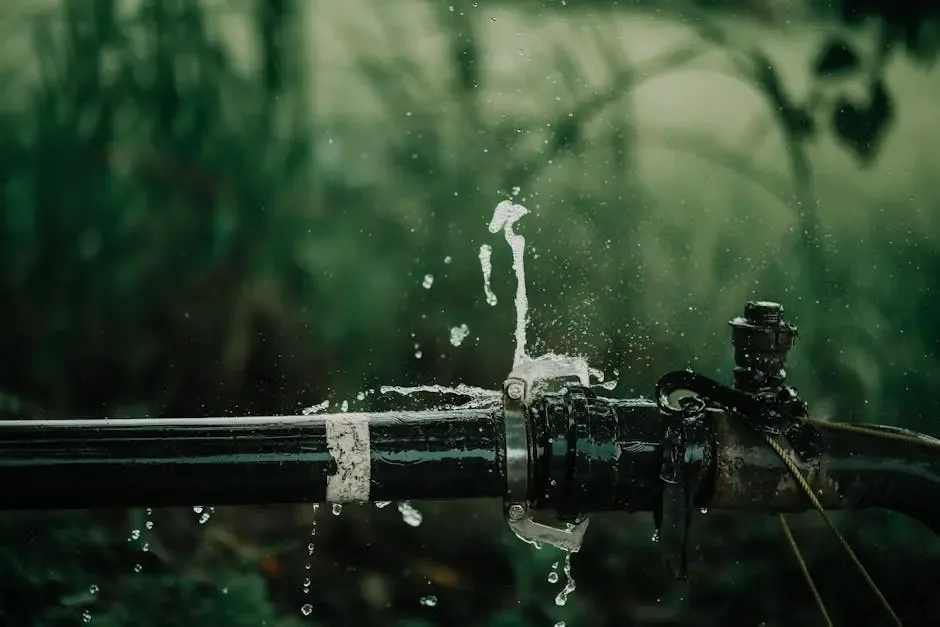
Discovering a leak in your water pipes can be alarming and stressful. But don’t worry! This guide will walk you through the important steps you should take to deal with the situation effectively. From identifying the leak to contacting professionals, we’ve got you covered.
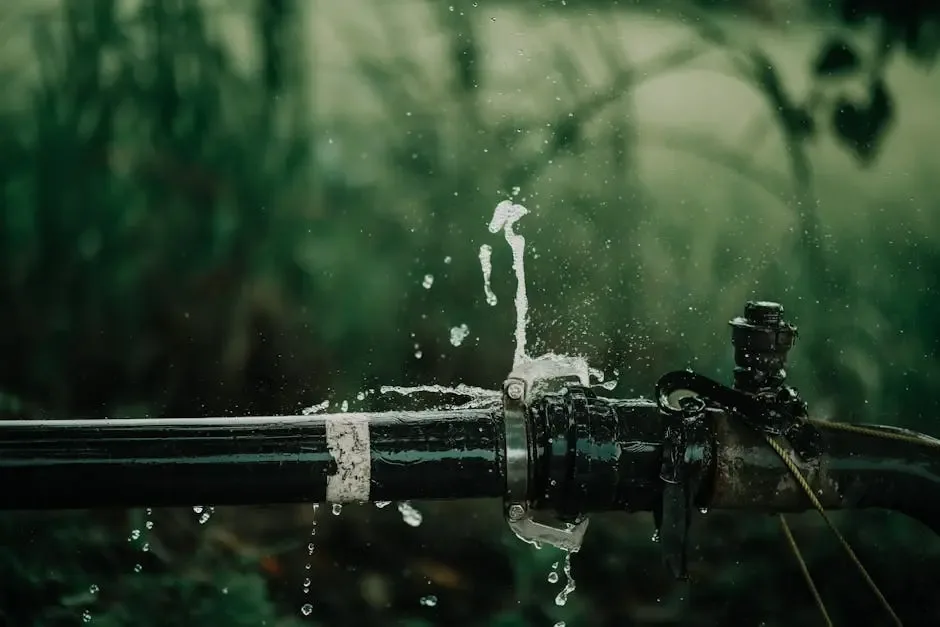
Step 1: Identify the Source of the Leak
Look for visible signs of water damage and trace the leak to its source to determine the necessary action.
Inspect areas where pipes are located, such as under sinks, behind appliances, and in basements. Detecting the leak’s origin as soon as possible can prevent extensive damage.
Look for puddles, damp spots, or mold growth. These often indicate the location of a leak. When in doubt, keep an eye out for any unusual sounds, such as dripping or hissing that could suggest a leak.
If you can’t locate the leak, consider turning on and off the water supply to affected areas. This might help pinpoint the problem as you observe fluctuations in water pressure.
Step 2: Turn Off the Water Supply
Shut off the main water valve to stop further water flow and prevent additional damage.
This is a crucial step! If left unchecked, water may continue to leak, causing more severe damage over time.
Also, remember to turn off any appliances that use water, like washing machines or dishwashers, to temporarily halt water activity in your home.
Once the water supply is off, take a moment to breathe! You’re on the right path to addressing the leak responsibly.
Step 3: Assess the Damage
Evaluate how much damage has occurred to determine if it’s manageable or requires professional help.
Take stock of the areas affected by the leak. Is it limited to a small section of drywall, or has it seeped into your flooring? Different damage levels can dictate the necessary response.
If you find significant damage, such as warped floors, stained walls, or mold growth, it’s time to rethink peace of mind and reach out to a plumber.
For smaller leaks that are localized and manageable, you may be able to handle simple repairs on your own. Just remember, safety first!
Step 4: Contact a Plumber
If the leak is significant, contacting a professional plumber is crucial for proper repairs.
Plumbers have the expertise to fully assess the problem. They can guide you on the best course of action to avoid future leaks.
When you call, provide them with as much detail as possible about the leak and its location. This will help them prepare properly for their visit.
Delaying this step could lead to increasing issues, like mold or structural damage. Trust the experts for effective and lasting solutions!
Step 5: Clean Up
Ensure the area is dried and cleaned to prevent mold and further issues from water exposure.
Begin this process by soaking up any standing water with towels or a wet/dry vacuum. The quicker you act, the better your chances of preventing mold growth.
Consider using fans or dehumidifiers to enhance air circulation, helping the area dry out more effectively.
Lastly, sanitize the affected surfaces with appropriate cleaners to avoid bacteria or mold. A clean area will provide a fresh start as you move forward after the leak.
Wrapping It Up
In conclusion, noticing water pipes leaking can be concerning, but taking swift action can help minimize damage and prevent further issues. By following these steps, you’ll be well-prepared to address any leaks and safeguard your home.
Don't wait for a leak to happen.
Protect your property with a professionally installed NOWA automatic shut-off system. Contact us for a free assessment.